 By Lois Lowry
© July 1, 1993, Clarion books
File size: 26.5 MB
239 pages
ISBN-13: 978-0547345901
I wasn’t sure what to expect when I started this book, which is my 6th banned book this year. I’d read the blurb weeks before, when I’d first gotten the book. But when I picked it up to begin reading at last, I didn’t re-read the blurb, nor did I re-read the reasons it was banned. I wanted it to be fresh, a surprise. It certainly was that. And I loved every minute.
The Giver starts out in a comfortable, idyllic place, a pleasant community where everyone gets along, no one is rude or thoughtless, and every conceivable problem is already taken care of. No one wants for anything. Food is provided, jobs are fulfilling, partnerships are perfectly matched. At first, it’s tantalizing. Inviting. Until the reasons for its stable nature are slowly revealed, and the underlying shadows stretch long across the words on the page. The characters aren’t the villains. They are the unwitting victims of things set in motion generations ago. They don’t know or even miss what’s not there. Only Jonas—and the Giver—know the why of things. And they are forbidden to tell.
This story sucked me in and held me in place from first page to last. It prompts some very poignant questions about what we, as people, want, and whether getting those wants are good for us or bad for us. It brings into question the whole nature of good and bad. By the time I finished the last page, it made me reevaluate the initial feelings of warmth I’d experienced in reading those early chapters. And it made me think hard about the nature of choice, and the blessings those choices bring, though they may sometimes feel like a curse.
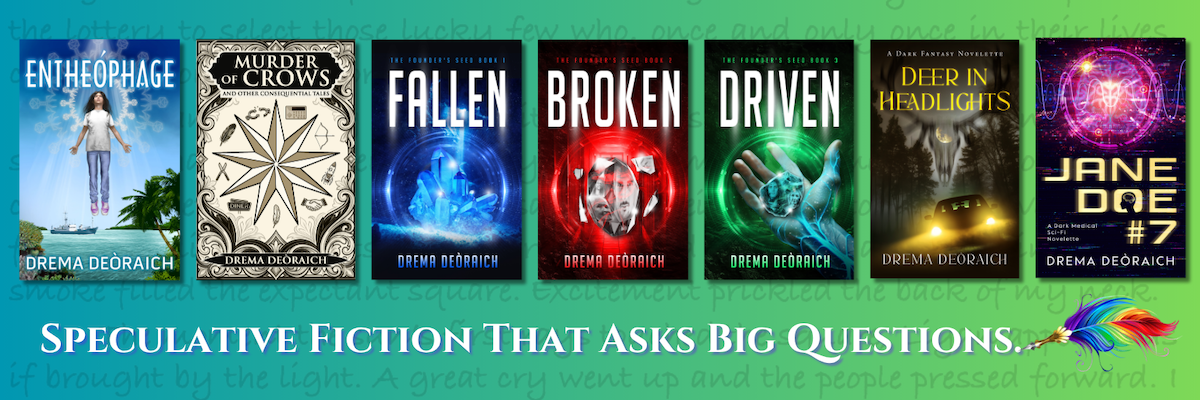
As I read, there were elements that brought back images and symbolism from 1984 and its details of the heavily structured society that could not be bucked, as well as Monk and Robot, in the innocent discovery of a larger world than the character had expected. And ironically, there were several strong elements that called to mind significant bits of my own book, Fallen, The Founder’s Seed Book One—the assignment of life careers at a young age and the separation that brought from one’s own peer group; the tellings that followed the death of an elder; the social/cultural pressure to conform to expectations, or else; the taboo against leaving the community for any reason; the sharing of memories.
Perhaps the main difference between these volumes is that The Giver was written for young, mid-grade readers, whereas all the others were targeted at an adult audience. And yet, the subject matter, though it starts innocently enough, leads the reader to dark, scary places, and ends on an ambiguous note. (The author later penned three companion books to address that ambiguity.) Still, I think this is an excellent read for mid-grade or young adult readers, since it provokes thought about normal life details that we, in our own world, take for granted. It asks, “what if?” and then leaves the reader to decide for themselves which choice would be the right one. It could easily serve as an excellent discussion topic for classes in mid-grade and young adult literature as to whether one version of society would be better, or the other, and why.
Yet, starting in 1994, this book was banned or challenged numerous times over the mentions of “sex, infanticide, suicide, starvation, and euthanasia in order to show the power of the book’s main themes of suffering and individuality.” Those are essential elements of the story, true, and are the very heart of what makes it so compelling. But I don’t see why they are strong enough elements to get the story banned—except that they are uncomfortable topics, subjects that make us turn our faces away, make us want to ignore them and hope they disappear. Hint: they don’t. Unless we face these issues, we don’t learn anything. And in this book, those elements have plenty to teach us about choice, and what happens when that option is taken from us.
Ironically, as pointed out by the author, banning this—or any—book is a seed that starts the chain of events which could potentially lead to the community depicted in The Giver. Allowing those in power to take away one choice makes it easier for them to take others. If there is no power of choice left to us, then we would live in Jonas’s world, a frightening place.
Despite the challenges, The Giver has become one of the most popular children’s novels, has won numerous awards, and was adapted to film in 2014. Those accolades I can easily understand. (As an aside, the movie is also excellent; though many of the specific details are altered to make the story fit a different medium, the main gist of the story remains the same, and is wonderfully depicted. You can find it streaming free on numerous channels.)
The Giver is an excellent tale, beautifully written, compassionately told. I plan to seek out the companion books, though I’ll wait a while before I do. I rather liked the ambiguity of the ending, and don’t want to solve the mystery too soon. Most highly recommended.